

Where Family Meets Philanthropy: The Changing Landscape of Family Giving
 Gordon Cox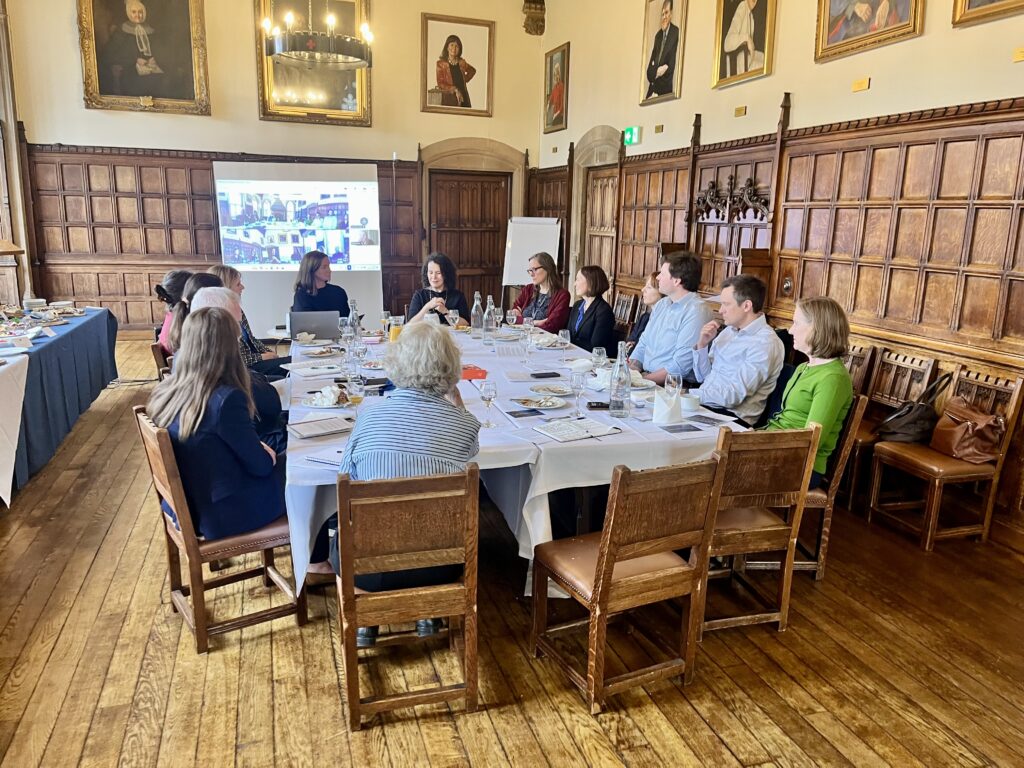
The philanthropic landscape is evolving at pace. Increasingly, charities, educational institutions and cultural organisations are engaging not only with individual donors but with complex ecosystems of family offices, donor-advised funds (DAFs), trusts and foundations. The recent roundtable discussion hosted by Mansfield College and facilitated by Philanthropy Company explored how these changes are reshaping philanthropy and what development professionals need to understand to remain effective in the decades ahead.
Why family philanthropy remains personal
One of the strongest themes to emerge was that family philanthropy remains deeply personal, even as it becomes more professionalised.
Families give for many reasons and they often feel a strong sense of responsibility, values, legacy, and gratitude. Philanthropy can provide a shared purpose that binds generations together, allowing family members to work collectively toward causes they care about and for many families, charitable giving is not simply a financial transaction but an expression of identity.
How family offices are changing donor engagement
At the same time, family philanthropy is becoming increasingly structured, with wealth holders creating more formal governance arrangements, involving advisers, establishing dedicated giving vehicles and developing sophisticated approaches to impact assessment. Decisions that may once have been made informally are now often supported by professional staff, family constitutions and . This can sometimes create challenges around access to key decision makers and a shift from previous informal decisions and fundraisers need to remain nimble in responding to the changes in dynamics and ways of working.
However, as structures become more sophisticated, human relationships remain essential. Trust, respect and authenticity were repeatedly identified as critical factors in successful donor engagement and the quality of the giving experience matters. Families want meaningful partnerships with organisations they support, not simply transactional stewardship.
Engaging the next generation of family donors
The discussion also highlighted the significance of the well-documented intergenerational wealth transfer that is expected to take place over the coming decades. This transfer creates both opportunities, especially with new generations of family donors, and uncertainties for the charitable sector. Many participants reflected on the growing influence of younger generations within philanthropic decision-making. Emerging generations of long-running benefactor families often show different priorities from their predecessors and they tend to be more collaborative, more engaged in programme delivery and more interested in measurable impact. They often seek active involvement rather than being content to be onlookers.
Understanding women’s roles in family philanthropy
The increasing role of women in philanthropy was also identified as an important force shaping future giving whether giving independently, as part of a wider family structure or having a more visible role in historic grant making. As leadership and decision-making responsibilities evolve within families, traditional assumptions about donor motivations and behaviours may no longer apply. Every family, and indeed every family member, is unique and should be understood on their own terms rather than through inherited assumptions.
Building a major donor stewardship across generations
A related challenge concerns donor affinity and while previous generations may support institutions through personal experiences or alumni connections, those emotional ties are not always inherited. The next generation may feel differently about causes and organisations and this reinforces the importance of stewardship that extends beyond a single donor relationship to encompass wider family engagement over time.
Donor Advised Funds
Attention was also given to the increasing use of donor-advised funds. Participants observed significant growth in Donor Advised Funds (DAF) usage and noted that these vehicles are providing many philanthropists with a flexible alternative to establishing traditional foundations or family offices. However, the discussion highlighted the need for greater understanding within the fundraising profession about how DAFs operate and how organisations should engage with them appropriately.
Preparing for a transformational gift
Several participants raised an important strategic question for organisations seeking transformational philanthropy: are institutions genuinely prepared to receive a major gift? The question is not hypothetical. If an organisation were offered a £100 million gift tomorrow, could it articulate a compelling vision, demonstrate delivery capacity, and provide credible evidence of impact? Increasingly sophisticated philanthropists are asking precisely these questions.
People and relationships remain at the heart of family giving
Ultimately, the discussion reinforced a simple but important concluding observation. While structures, vehicles and wealth management practices may continue to evolve, philanthropy remains fundamentally about people. Successful fundraising will continue to depend upon understanding motivations, building trust, engaging future generations and developing relationships that endure over time. The future of philanthropy may look different from its past, but its most important route to success as a fundraiser and satisfaction as a donor remains through human connection.
Our work

Modernising donor recognition across the National Trust for Scotland
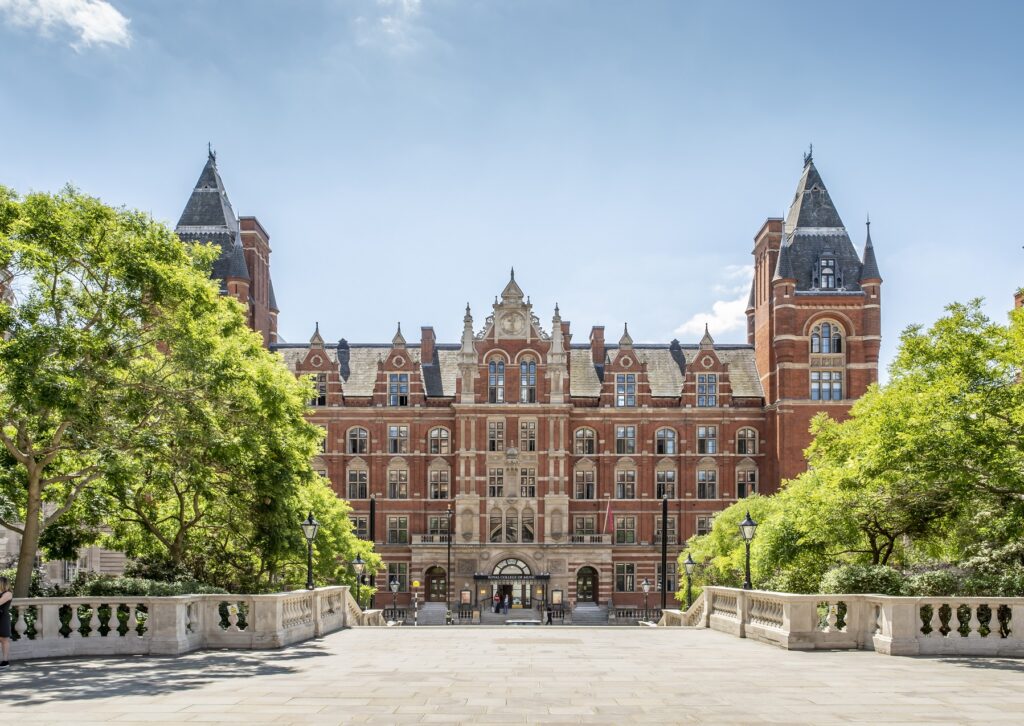
Royal College of Music: Endowment Readiness Review
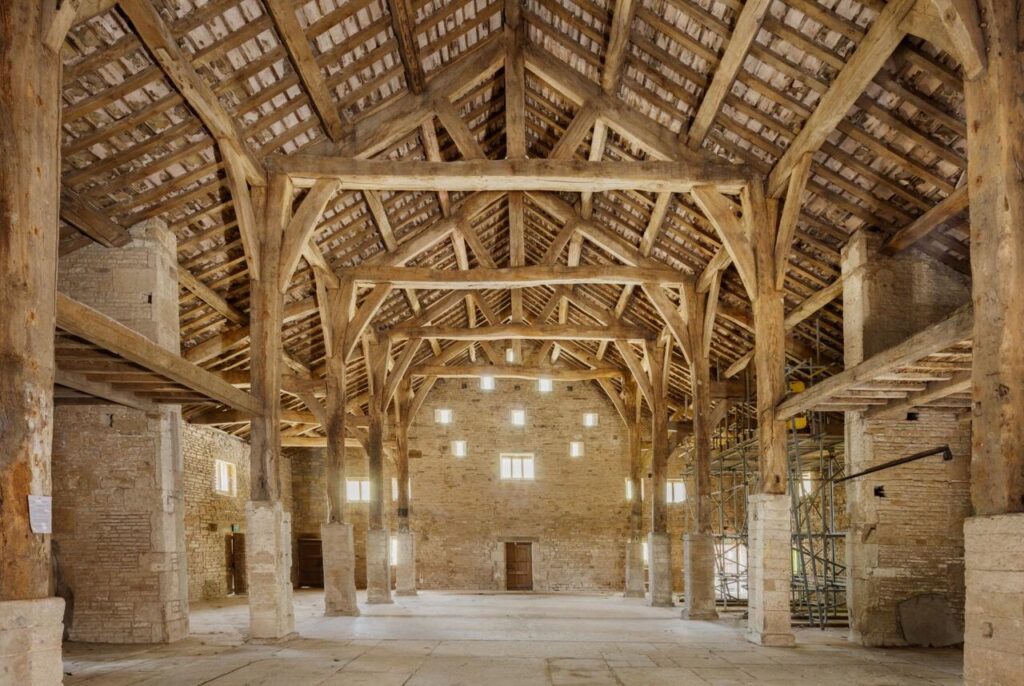
Building a strategic approach to corporate partnerships for Historic England
Building a sustainable fundraising future with REAch2 Academy Trust
What we do


Fundraising strategy
Active fundraising support
Training and development