

Women, Wealth and the Future of Philanthropy
 Benjamin Tate, Philanthropy Advisory Researcher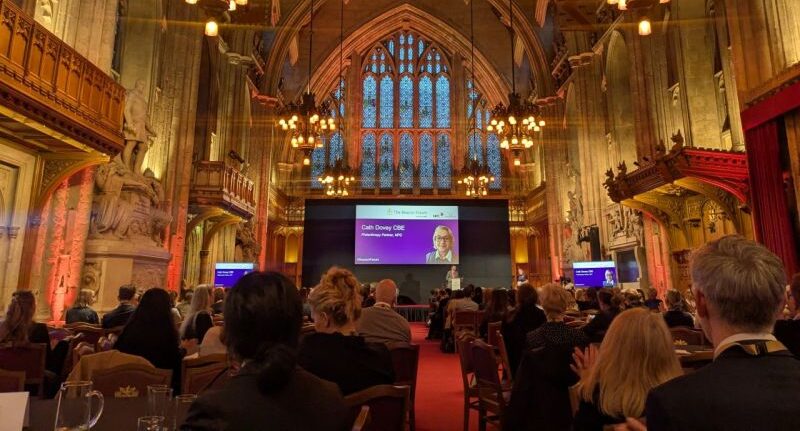
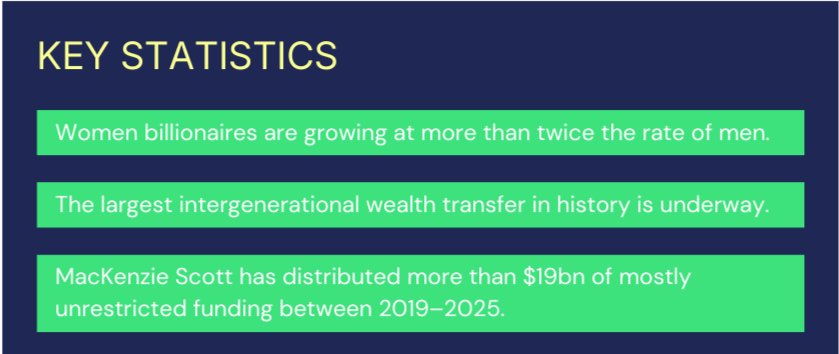
Women and philanthropy are entering a pivotal moment. Women currently only account for around one in ten ultra‑high‑net‑worth individuals worldwide, yet the number of female billionaires has been growing at more than twice the rate of men over the past decade, combined with the backdrop of the largest intergenerational transfer of wealth in history. This shift will have a profound influence on where philanthropic capital flows.
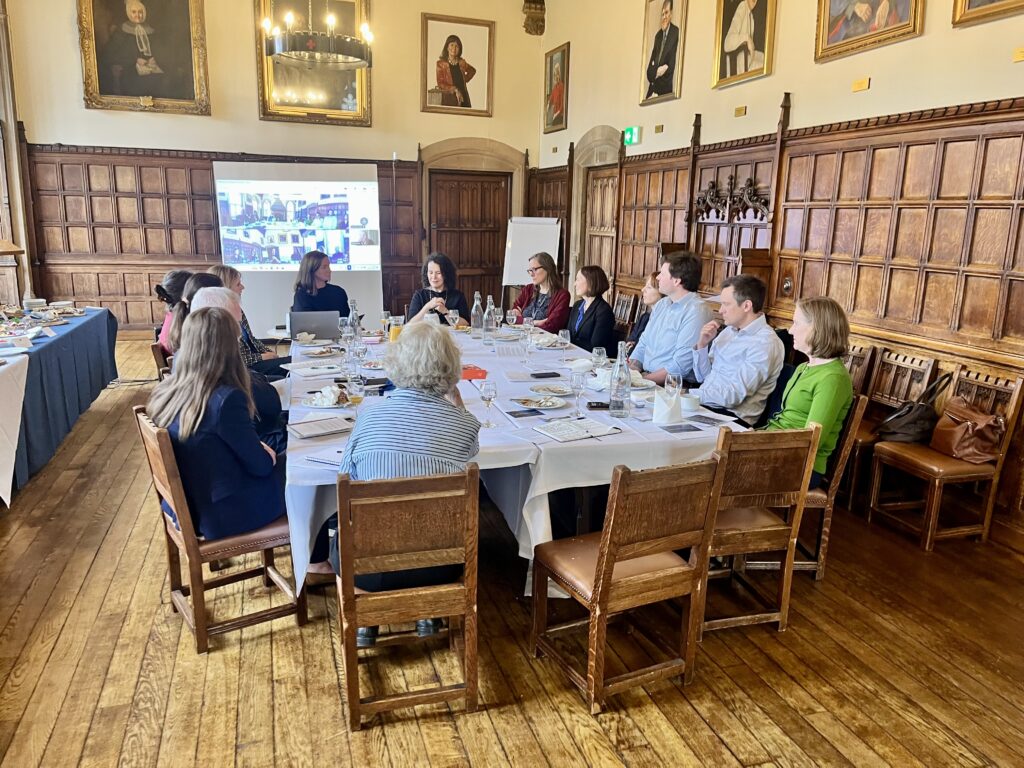
At the 2026 Beacon Philanthropy and Impact Forum, I found myself in an unusual yet familiar position as the only man on Caroline Underwood’s roundtable for ‘Women, Wealth and the Future of Philanthropy’. With many of my academic and professional peers at the University of Kent and Philanthropy Company, being predominantly women, the gender balance around the table mirrored the networks in which I am learning and working every day and reminded me of how philanthropy today is being redefined by the women leading it.
The Changing Landscape of Women and Wealth
Yet much of the ecosystem that surrounds giving, from advisory models to fundraising strategies and governance structures, still assumes that the archetypal donor is male, older and already comfortable in rooms where money is discussed. Caroline opened her roundtable with a deceptively simple question: how do women come into money, and what are the drivers for them to get involved in philanthropy? Around the table, the answers were more varied than the sector often acknowledges. Inheritance and divorce were certainly part of the picture, but so were entrepreneurship, executive careers and leadership within family businesses. These different routes into wealth shape how women experience power, risk and responsibility. For some, new resources arrive with a sense of obligation or even guilt, for others, with a determination not to repeat old patterns of secrecy and exclusion around money.
Importantly, Caroline was clear that this conversation cannot be restricted to the ultra‑wealthy. Yes, the number of women billionaires is rising, but one of the most overlooked opportunities lies with mid‑level donors, those whose gifts might never feature in a press release yet whose cumulative impact, if better supported, could be transformative. Mid‑level women donors are often deeply embedded in their communities, balancing professional and caring roles, and bringing lived experience that is invaluable to giving effectively. When participants were invited to name the drivers that bring women into philanthropy, a remarkably consistent set of themes emerged. Giving is rarely a solo act, it is something negotiated with peers and family, not just advisers. People spoke about the importance of trusted friends, colleagues and fellow trustees who normalise giving and make it feel less of a lone endeavour. Research on women and wealth echoes this, showing that women are particularly influenced by peer learning and networks when it comes to financial decisions and philanthropy (Fidelity Charitable, Women and Giving Report 2021; Women’s Philanthropy Institute, Women Give 2020). Social proof matters, seeing women like themselves act as donors, investors or founders gives permission to follow.
Appetite for Risk and Trust-Based Philanthropy
Contrary to cliché, several people noted that the women they work with are not inherently more cautious with their philanthropy. When they trust leadership and can see a credible route to change, many are willing to back early‑stage organisations, experimental models or blended‑finance approaches that sit somewhere between grant‑making and investment. Giving circles and peer‑led funds provide a context in which that courage is amplified, each member may contribute a relatively modest amount, but collectively they can place sizeable, catalytic bets. In these spaces, “sisterhood” is not just a feeling, it is a governance mechanism that encourages women to stretch further than they might alone. This pattern is visible far beyond the walls of Guildhall. Phoebe Gates, for example, has channelled her own resources and profile into reproductive rights and equity, including multi‑million‑dollar support for abortion‑rights organisations and partnerships that foreground young women’s voices in debates on bodily autonomy. MacKenzie Scott, meanwhile, has redefined what large‑scale, trust‑based philanthropy can look like, distributing more than 19 billion dollars to thousands of organisations between 2019 and 2025 through largely unrestricted gifts, including at least 2 billion in 2024 and more than 7 billion in 2025 alone. Together, they symbolise a broader trend, women using wealth not simply to perpetuate existing institutions, but to redistribute power and back movements that might previously have struggled to attract capital.
For me, as a student on the MA in Philanthropic Studies at the University of Kent and an early career researcher on projects with Philanthropy Company, I am surrounded every week by women who are already shaping the sector’s future. The majority of my cohort are women, including practitioners from charities, foundations and advisory firms, many juggling study with demanding roles and caring responsibilities. Their questions in seminars, their critiques of “business‑as‑usual” philanthropy and their insistence on centring lived experience feel very much in tune with the themes that surfaced at Beacon. Beyond the classroom, my own professional network in the UK is rich with women who are reimagining what philanthropy can be, from colleagues at Philanthropy Company, to grassroots leaders, to peers experimenting with new models of giving and investment. Sitting at Caroline’s roundtable, I was very aware that I was in the minority, both as a man and as one of the younger people in the room, and that this was a privilege. It also underscored the responsibility on those of us who do get invited into these spaces to ensure that the perspectives of women, and especially younger women, are not treated as a specialised topic for occasional sessions, but as central to how we think about capital and change.
Practical Implications for Philanthropy Leaders
So, what might it look like to take the insights from Beacon and turn them into practice? A few priorities stand out.
First, advisers, whether in private banks, law firms or independent boutiques, need to recognise women as primary clients, not secondary stakeholders. That means inviting them into conversations early and directly, offering integrated advice that links philanthropy, impact investing and family governance, and respecting that values may be as important as tax efficiency.
Second, charities must rethink how they build relationships with women donors, especially at mid‑level. Rather than treating them solely as sources of funds, organisations can create spaces for co‑design, learning and leadership, advisory groups, site visits, peer salons or time‑bound giving circles focused on a specific issue. These opportunities should be structured with care to avoid extracting unpaid labour while still honouring the expertise women bring from their professional and personal lives.
Third, the wider infrastructure of philanthropy has work to do. Dedicated funds, networks and platforms that make women’s philanthropy more visible, and that lower the barriers to collaboration across geographies and generations, will be crucial over the next decade. If figures like Phoebe Gates and MacKenzie Scott show what is possible when women pair resources with conviction, it is up to the rest of us to ensure that similar opportunities exist for the countless women whose names may never appear on a rich list, but whose giving will quietly shape communities for years to come.
Finally, those of us who care about the future of the sector need to think about the intersections between gender, age and power. The same Forum where Caroline hosted her roundtable also highlighted how few youth voices are present in rooms where the “impact economy” is being designed, echoing wider data on declining traditional giving but high civic engagement among younger people. If institutions fail to engage both women and younger generations as equal partners, they risk missing the very people whose decisions will determine where capital flows next. As I left the Beacon Forum and returned to my lectures and assignments, I was struck by how close these global narratives feel to the conversations happening in webinar chats with my mostly female peers. The choices that women in my network, from classmates to senior leaders, make about their wealth, careers and time will shape not only the balance sheets of charities, but the kind of society we build.
The challenge now is whether our systems of advice, governance and culture can catch up fast enough with the reality that women are not just participants in philanthropy’s future; they are, increasingly, the ones writing it.
*Caroline Underwood is founder of Philanthropy Company which works with philanthropists, charities, organisations and family offices to maximise philanthropic engagement. www.philanthropycompany.com
*The Beacon Forum held in February 2026 gathered leaders from across the UK’s philanthropic and impact economy at the Guildhall to consider how private capital, public policy and civil society can respond to complex social challenges.
Latest news and insights
Where Family Meets Philanthropy: The Changing Landscape of Family Giving
Reflections on the charity sector with Flora Craig

In Search of Hope: A Conversation with John Nickson and Caroline Underwood OBE

The Humanitarian reset – 6 key trends shaping the INGO sector in 2026
What we do


Fundraising strategy
Active fundraising support
Training and development